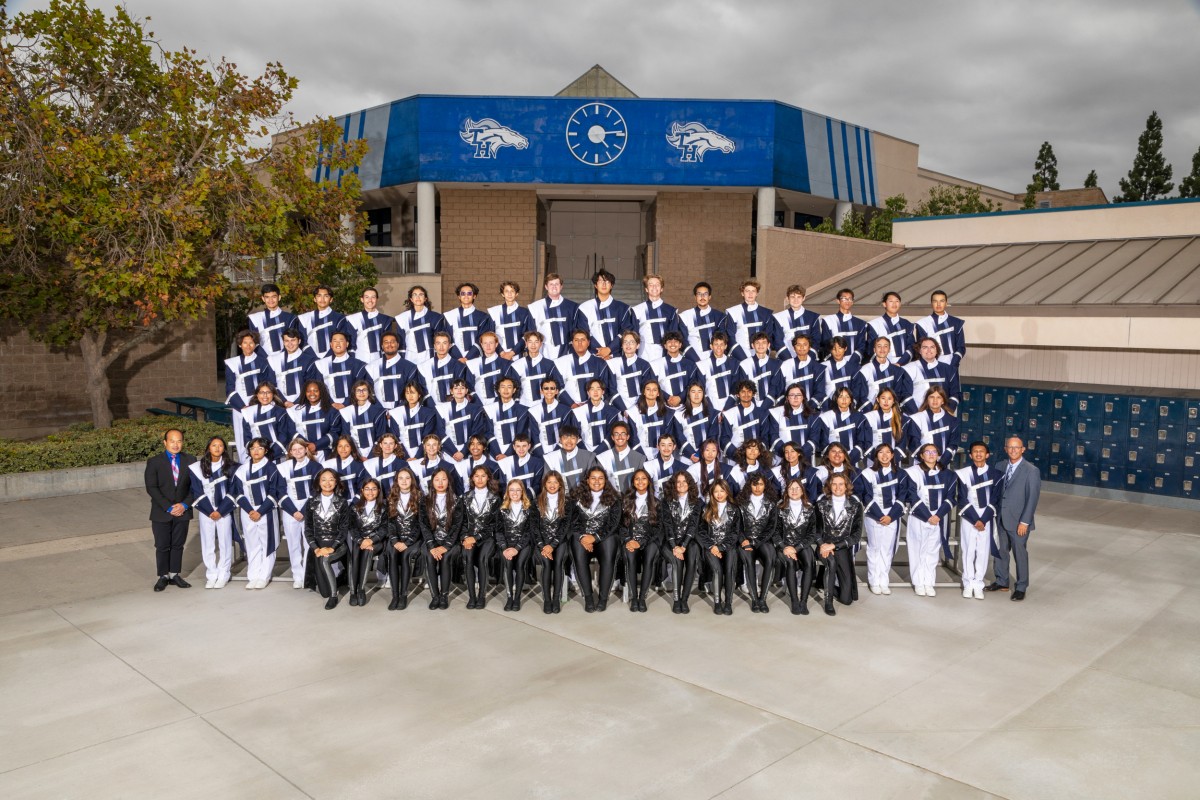
Marching Band Culture Understanding
Marching Band Culture Understanding
Marching Band Culture Research
Student Perspectives on Stress, Leadership, and Harmony
1. Research Overview
This survey was conducted to understand the current challenges within a marching band environment, focusing on student stress, leadership dynamics, and team harmony.
Participants
Total responses: 100 students
The goal of this research is to identify structural and cultural issues affecting band members and explore ideas for improving the overall band experience.
Key Findings
1. Long Rehearsals Are the Biggest Source of Stress
The most frequently reported issue was stress caused by long rehearsals and time demands.
Main problems identified
Issue | Responses |
|---|---|
Stress from long rehearsals | 39 |
Unequal effort/workload | 22 |
Poor communication | 11 |
Time management problems | 6 |
Member conflicts | 6 |
Other mixed responses | 16 |
Insight
Students feel that the time commitment of marching band often conflicts with academic responsibilities, creating sustained stress during the season.
2. Conflicts Are Mostly Solved by Leadership Authority
When conflicts occur, most students reported that leaders typically make the final decision.
Conflict Resolution Method | Responses |
|---|---|
Leader decides | 50 |
Compromise | 22 |
Other / unclear | 28 |
Insight
This suggests that the band culture is hierarchical, with leadership playing a dominant role in conflict resolution.
However, this structure may limit student participation in decision-making.
3. Overall Stress Level Is Moderate but Noticeable
Students rated their stress level on a scale from 1–5.
Stress Level | Responses |
|---|---|
2 | 50 |
3 | 22 |
4 | 11 |
5 | 17 |
Average stress level: ~2.9
Interpretation
Most students experience moderate stress
A smaller group experiences high stress
This indicates that while marching band is manageable for many students, a significant minority feels strong pressure.
4. Students Want More Voice in Decision-Making
When asked what would improve the band if balance were achieved (not too strict / not too relaxed), two areas stood out:
Improvement Area | Responses |
|---|---|
Decision-making participation | 38 |
Practice schedule & intensity | 38 |
Leadership style | 12 |
Section relationships | 12 |
Insight
Students are asking for:
More balanced rehearsal schedules
More student voice in decisions
This suggests a need for collaborative leadership rather than purely top-down control.
Student Ideas for Improving Band Culture
Students proposed several ways to improve positivity and harmony:
Common themes
More bonding activities
Honest communication between members
Clearer rules and expectations
Opportunities for students to express opinions
Overall Pattern
Students want a band environment that is:
Structured
Fair
Supportive
Collaborative
Research Insights
1. Time Pressure Is the Core Stress Driver
The strongest structural issue is rehearsal intensity and time commitment.
Balancing rehearsal efficiency with academic responsibilities could significantly improve student well-being.
2. Leadership Structure Needs Balance
While leadership is necessary for coordination, students may benefit from more participatory decision-making.
3. Culture Matters as Much as Performance
Students consistently suggested improvements related to communication and relationships, indicating that band culture directly impacts morale and performance.
Conclusion
This survey suggests that marching band students value both discipline and community, but the current structure may lean too heavily toward strict control and demanding schedules.
Improving the band experience may require:
Better rehearsal balance
More inclusive decision-making
Stronger social bonding within the group
By addressing these areas, bands can create a culture that supports both musical excellence and student well-being.
Marching Band Culture Research
Student Perspectives on Stress, Leadership, and Harmony
1. Research Overview
This survey was conducted to understand the current challenges within a marching band environment, focusing on student stress, leadership dynamics, and team harmony.
Participants
Total responses: 100 students
The goal of this research is to identify structural and cultural issues affecting band members and explore ideas for improving the overall band experience.
Key Findings
1. Long Rehearsals Are the Biggest Source of Stress
The most frequently reported issue was stress caused by long rehearsals and time demands.
Main problems identified
Issue | Responses |
|---|---|
Stress from long rehearsals | 39 |
Unequal effort/workload | 22 |
Poor communication | 11 |
Time management problems | 6 |
Member conflicts | 6 |
Other mixed responses | 16 |
Insight
Students feel that the time commitment of marching band often conflicts with academic responsibilities, creating sustained stress during the season.
2. Conflicts Are Mostly Solved by Leadership Authority
When conflicts occur, most students reported that leaders typically make the final decision.
Conflict Resolution Method | Responses |
|---|---|
Leader decides | 50 |
Compromise | 22 |
Other / unclear | 28 |
Insight
This suggests that the band culture is hierarchical, with leadership playing a dominant role in conflict resolution.
However, this structure may limit student participation in decision-making.
3. Overall Stress Level Is Moderate but Noticeable
Students rated their stress level on a scale from 1–5.
Stress Level | Responses |
|---|---|
2 | 50 |
3 | 22 |
4 | 11 |
5 | 17 |
Average stress level: ~2.9
Interpretation
Most students experience moderate stress
A smaller group experiences high stress
This indicates that while marching band is manageable for many students, a significant minority feels strong pressure.
4. Students Want More Voice in Decision-Making
When asked what would improve the band if balance were achieved (not too strict / not too relaxed), two areas stood out:
Improvement Area | Responses |
|---|---|
Decision-making participation | 38 |
Practice schedule & intensity | 38 |
Leadership style | 12 |
Section relationships | 12 |
Insight
Students are asking for:
More balanced rehearsal schedules
More student voice in decisions
This suggests a need for collaborative leadership rather than purely top-down control.
Student Ideas for Improving Band Culture
Students proposed several ways to improve positivity and harmony:
Common themes
More bonding activities
Honest communication between members
Clearer rules and expectations
Opportunities for students to express opinions
Overall Pattern
Students want a band environment that is:
Structured
Fair
Supportive
Collaborative
Research Insights
1. Time Pressure Is the Core Stress Driver
The strongest structural issue is rehearsal intensity and time commitment.
Balancing rehearsal efficiency with academic responsibilities could significantly improve student well-being.
2. Leadership Structure Needs Balance
While leadership is necessary for coordination, students may benefit from more participatory decision-making.
3. Culture Matters as Much as Performance
Students consistently suggested improvements related to communication and relationships, indicating that band culture directly impacts morale and performance.
Conclusion
This survey suggests that marching band students value both discipline and community, but the current structure may lean too heavily toward strict control and demanding schedules.
Improving the band experience may require:
Better rehearsal balance
More inclusive decision-making
Stronger social bonding within the group
By addressing these areas, bands can create a culture that supports both musical excellence and student well-being.