A Parade Seen from the Sidewalk: Visibility and Invisible Roles in Public Celebrations
A Parade Seen from the Sidewalk: Visibility and Invisible Roles in Public Celebrations
A Parade Seen from the Sidewalk: Visibility and Invisible Roles in Public Celebrations
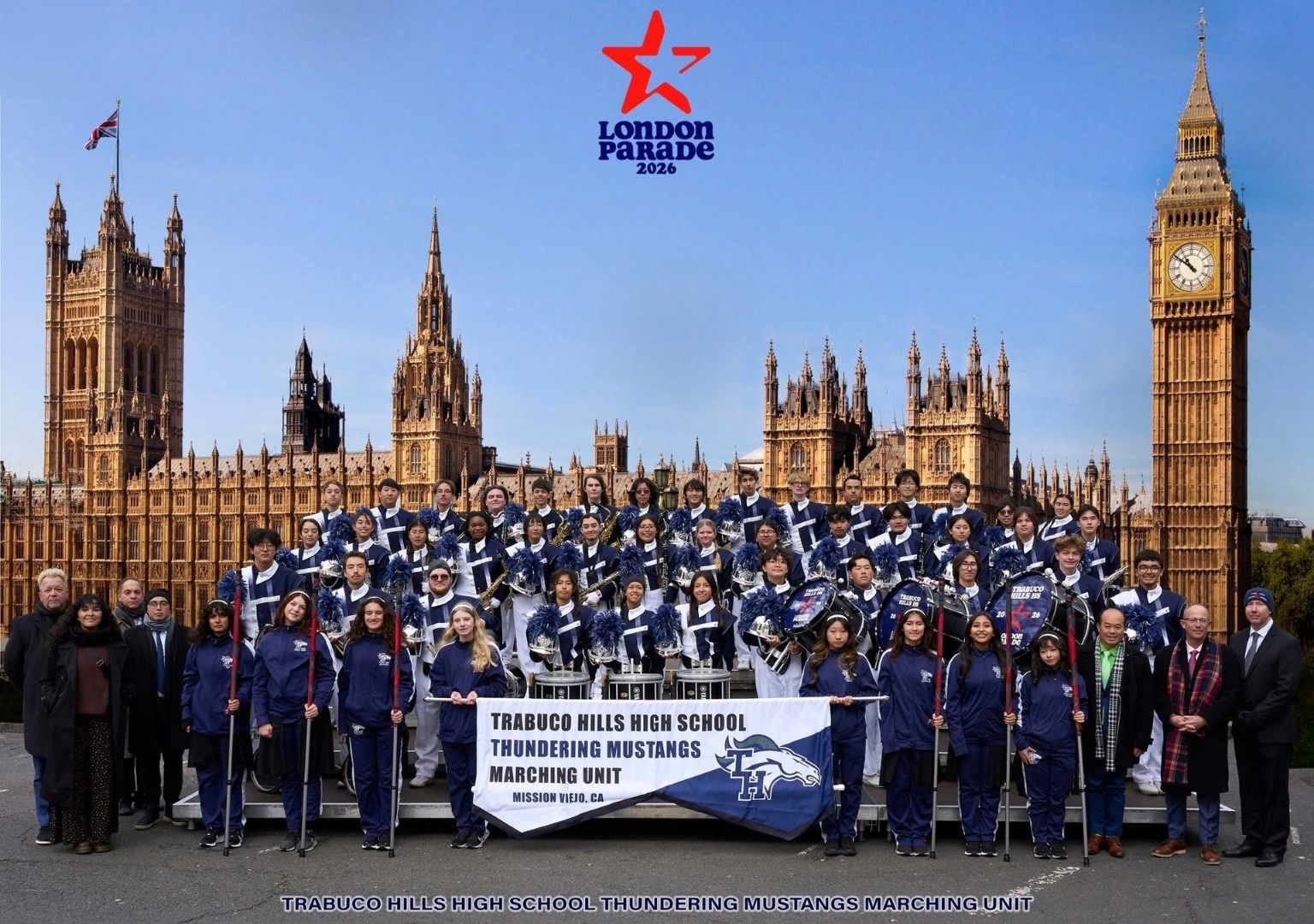
Why This Event Matters
Large public celebrations often appear to be about performance, excitement, and entertainment.
However, from a sociological perspective, events like the London New Year’s Day Parade also reveal how visibility works within a community.
Public celebrations highlight certain roles while others remain largely unseen. Observing who becomes the “face” of the celebration—and who quietly supports it—offers insight into how societies recognize contribution and organize public recognition.
This perspective guided my observations during the London New Year’s Day Parade.
What I Observed
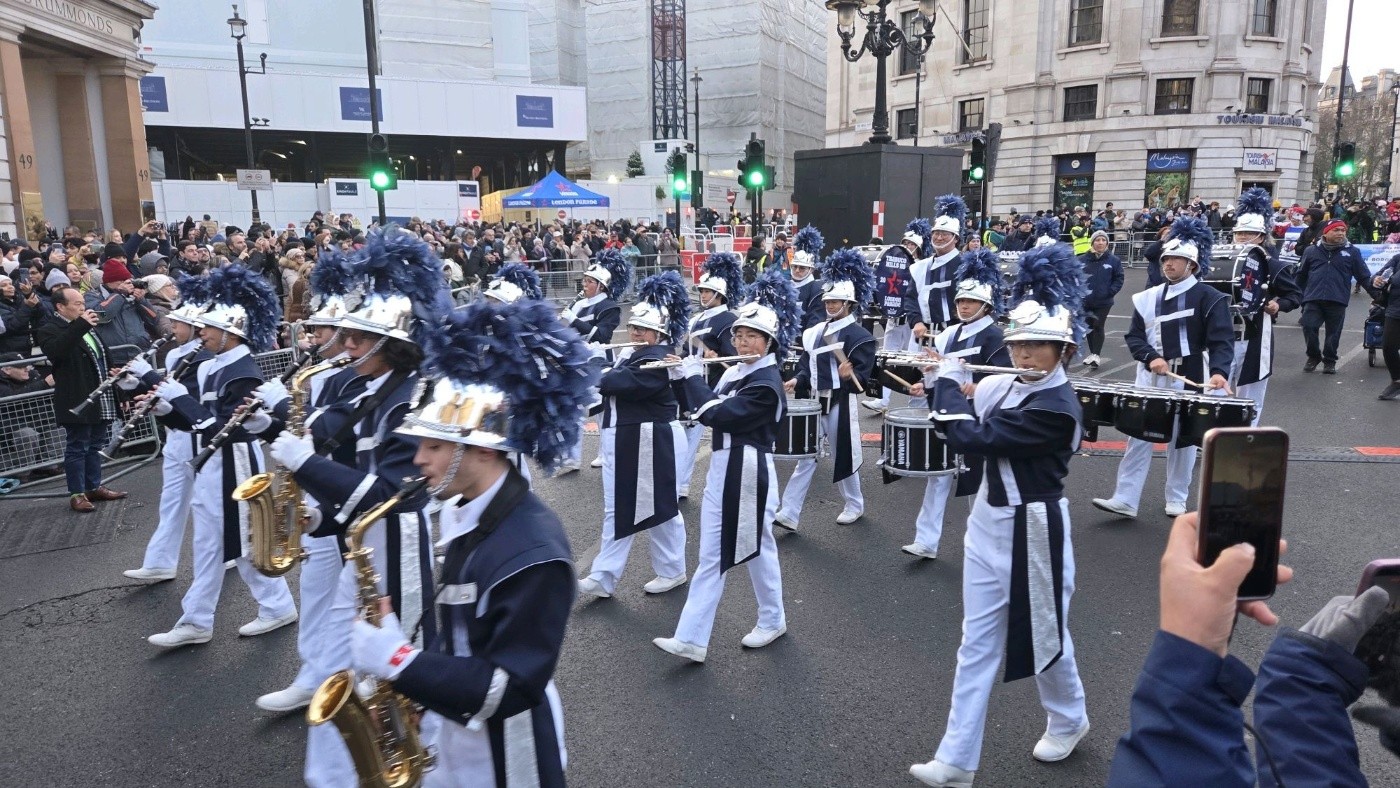
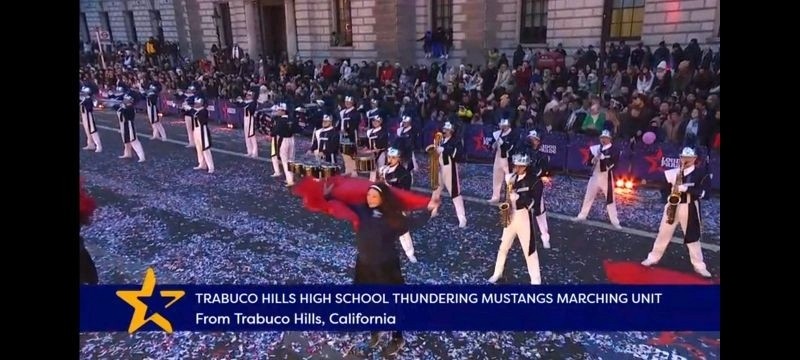
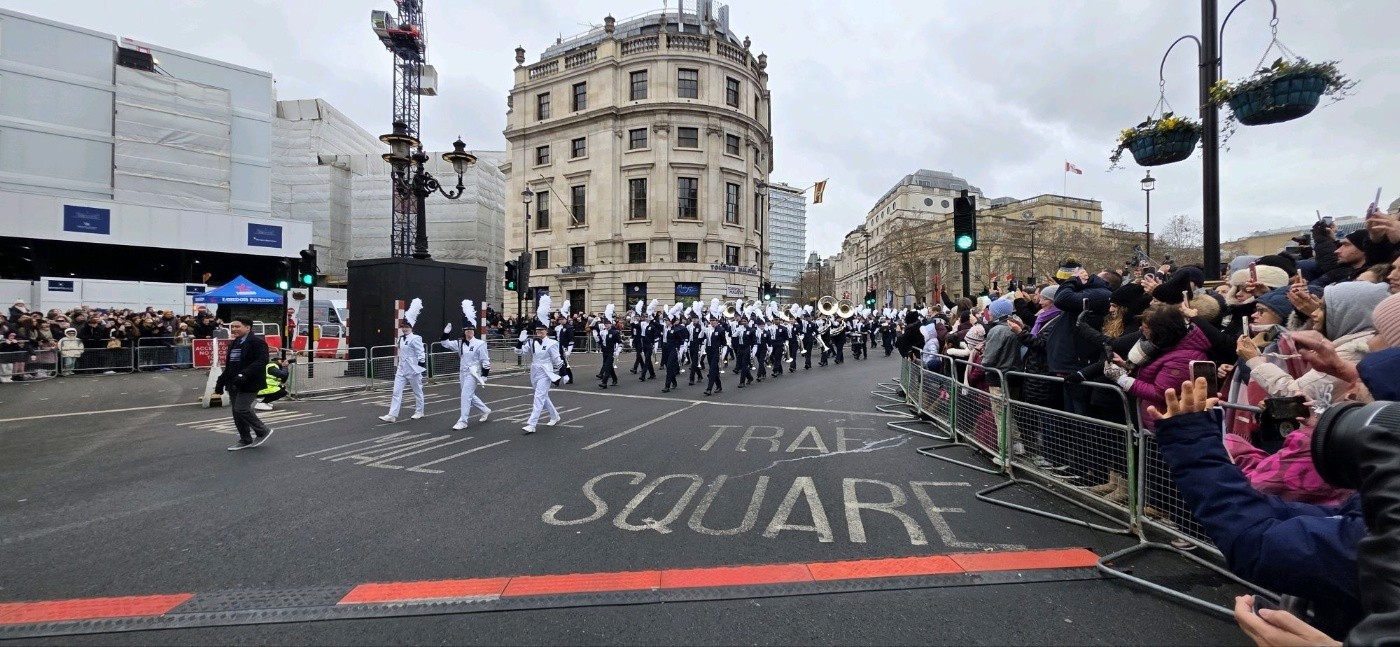
During the parade, the most visible participants were clearly the performers.
They included marching bands, dancers, and section leaders who represented their groups in front of thousands of spectators. These performers naturally became the central focus of attention.
Yet behind the performance layer, I noticed a second group that made the entire event possible.
These included:
Volunteers guiding participants
Event marshals coordinating movement and timing
Safety and road control personnel
Local business owners supporting the event along the parade route
Although their roles were essential to the event’s success, they remained mostly invisible to the audience.
From the sidewalk perspective, the parade revealed two different forms of participation:
visible contribution and invisible contribution.
Questions That Emerged
This observation led me to several sociological questions.
Why do public events consistently highlight some roles while others remain in the background?
How do societies decide which contributions deserve recognition and which remain unnoticed?
And more broadly, how often do social systems depend on work that is essential but rarely acknowledged?
These questions connect to the broader sociological concept of social visibility—the ways institutions and communities decide whose roles are publicly valued.
Why This Matters Beyond London
The dynamics I observed during the parade extend far beyond a single event.
In schools, workplaces, and communities, many systems depend on individuals whose contributions remain largely unseen.
Understanding these dynamics is important because recognition influences how people experience belonging, value, and participation within a society.
By observing this event through a sociological lens, I began to see public celebrations not only as cultural events but also as social systems that reflect deeper patterns of visibility and contribution.
This experience strengthened my interest in studying sociology, particularly the ways institutions recognize—or overlook—the people who make collective experiences possible.
A Parade Seen from the Sidewalk: Visibility and Invisible Roles in Public Celebrations
Why This Event Matters
Large public celebrations often appear to be about performance, excitement, and entertainment.
However, from a sociological perspective, events like the London New Year’s Day Parade also reveal how visibility works within a community.
Public celebrations highlight certain roles while others remain largely unseen. Observing who becomes the “face” of the celebration—and who quietly supports it—offers insight into how societies recognize contribution and organize public recognition.
This perspective guided my observations during the London New Year’s Day Parade.
What I Observed
During the parade, the most visible participants were clearly the performers.
They included marching bands, dancers, and section leaders who represented their groups in front of thousands of spectators. These performers naturally became the central focus of attention.
Yet behind the performance layer, I noticed a second group that made the entire event possible.
These included:
Volunteers guiding participants
Event marshals coordinating movement and timing
Safety and road control personnel
Local business owners supporting the event along the parade route
Although their roles were essential to the event’s success, they remained mostly invisible to the audience.
From the sidewalk perspective, the parade revealed two different forms of participation:
visible contribution and invisible contribution.
Questions That Emerged
This observation led me to several sociological questions.
Why do public events consistently highlight some roles while others remain in the background?
How do societies decide which contributions deserve recognition and which remain unnoticed?
And more broadly, how often do social systems depend on work that is essential but rarely acknowledged?
These questions connect to the broader sociological concept of social visibility—the ways institutions and communities decide whose roles are publicly valued.
Why This Matters Beyond London
The dynamics I observed during the parade extend far beyond a single event.
In schools, workplaces, and communities, many systems depend on individuals whose contributions remain largely unseen.
Understanding these dynamics is important because recognition influences how people experience belonging, value, and participation within a society.
By observing this event through a sociological lens, I began to see public celebrations not only as cultural events but also as social systems that reflect deeper patterns of visibility and contribution.
This experience strengthened my interest in studying sociology, particularly the ways institutions recognize—or overlook—the people who make collective experiences possible.
“Public celebrations reveal how a community works — not only through those on stage, but through those who make the stage possible.”
“Public celebrations reveal how a community works — not only through those on stage, but through those who make the stage possible.”
Related Blog
Related Blog
September 2, 2025
September 2, 2025